Montréal is the second populous city in Canada. Founded in 1642, was called ” Ville-Marie” or ” City of Mary”. Montréal gets its name from Mont Royal, triple peaked hill around the city. Here are some of the travel information sites we used to plan our trip to Montréal.
https://www.mtl.org/en
https://www.tripadvisor.com/Tourism-g155032-Montreal_Quebec-Vacations.html
https://www.lonelyplanet.com/canada/montreal
We spent 2 days visiting Montréalin July 2023. Here are some of the visit highlights:
- Old Montréal
- Old Port Montréal
- Pointe-a- Callierere, Montreal Archeology and history complex
- Rue St. Paul
- Undergrounc City
- Place D’Armes
- Walk around old Montréal
- Bonsecuours Market
- Notre- Dame De Bonsecour’s chapel
- Basilique Notre-Dame De Montréal
- Visit to china town
- Parc Du Mont Royal and hike the staircase to Kondiaronk Belvedere
Basilique Notre-Dame De Montréal
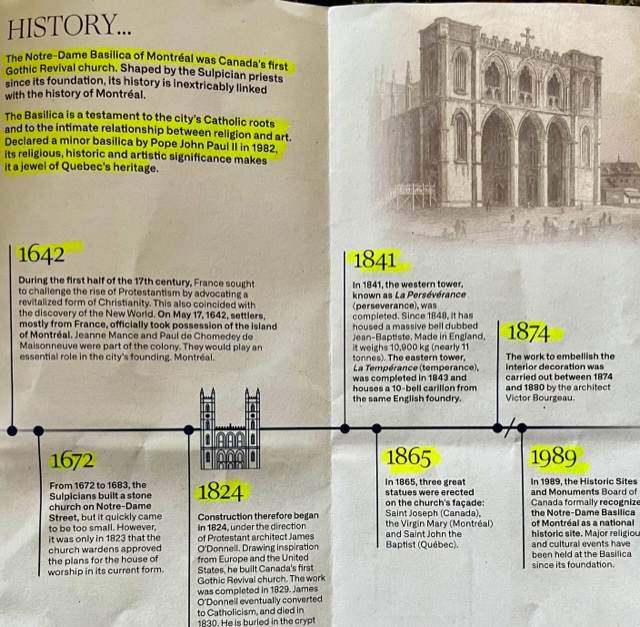
Notre-Dame Basilica of Montréal is considered as Montréal’s mother church and was the first Gothic Revival style church in Canada. It has been shaped by the Sulpician priests since its foundation and its history is inseparable from that of Montréal.
It speaks to its Catholic roots and the eternal link between art and religion. The Basilica’s style was imitated by several parishes and marked a turning point in religious architectural tradition. In addition to being a place for prayer and celebration of Catholic worship, Notre-Dame is also a place for important national events like state funerals. It was raised to the rank of minor basilica by Pope John Paul II in 1982 and designated a National Historic Site of Canada in 1989. Its religious, historical and artistic importance makes it a treasure of Quebec’s heritage and one of the most visited sites in Montréal. https://www.basiliquenotredame.ca/en
History
Notre- Dame De Bonsecour’s chapel
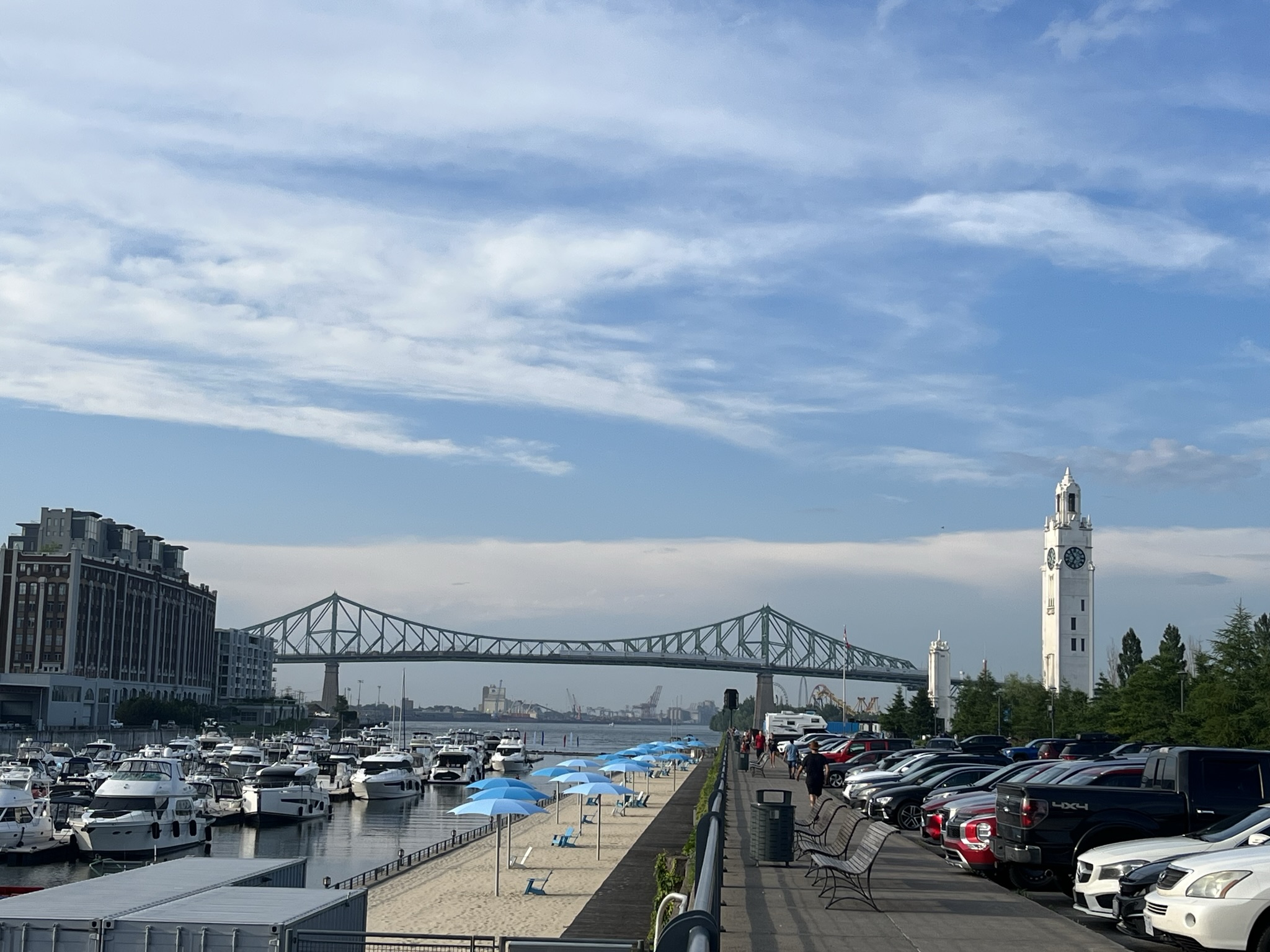
Jacques Cartier Bridge (Pont Jacques-Cartier)
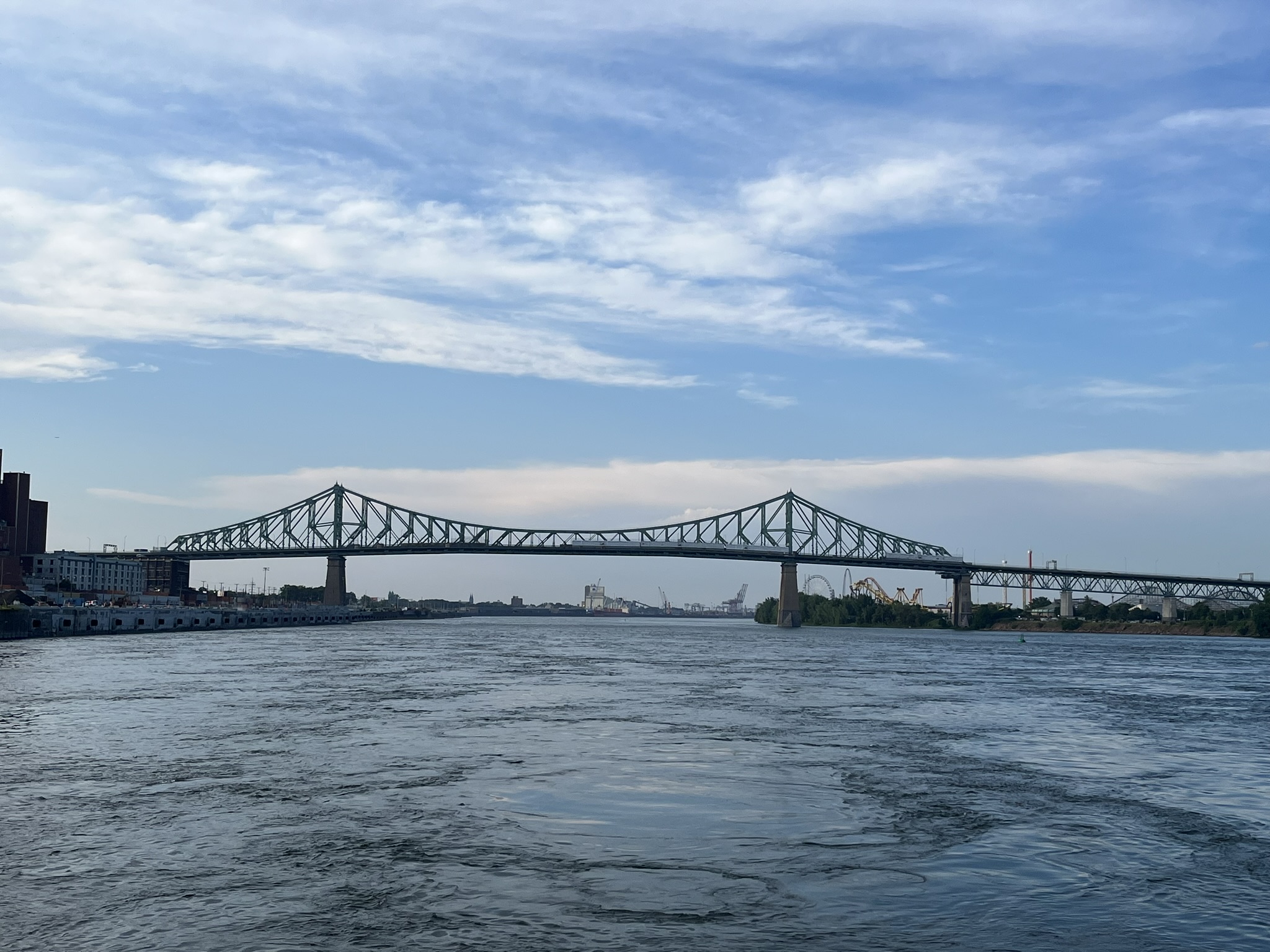
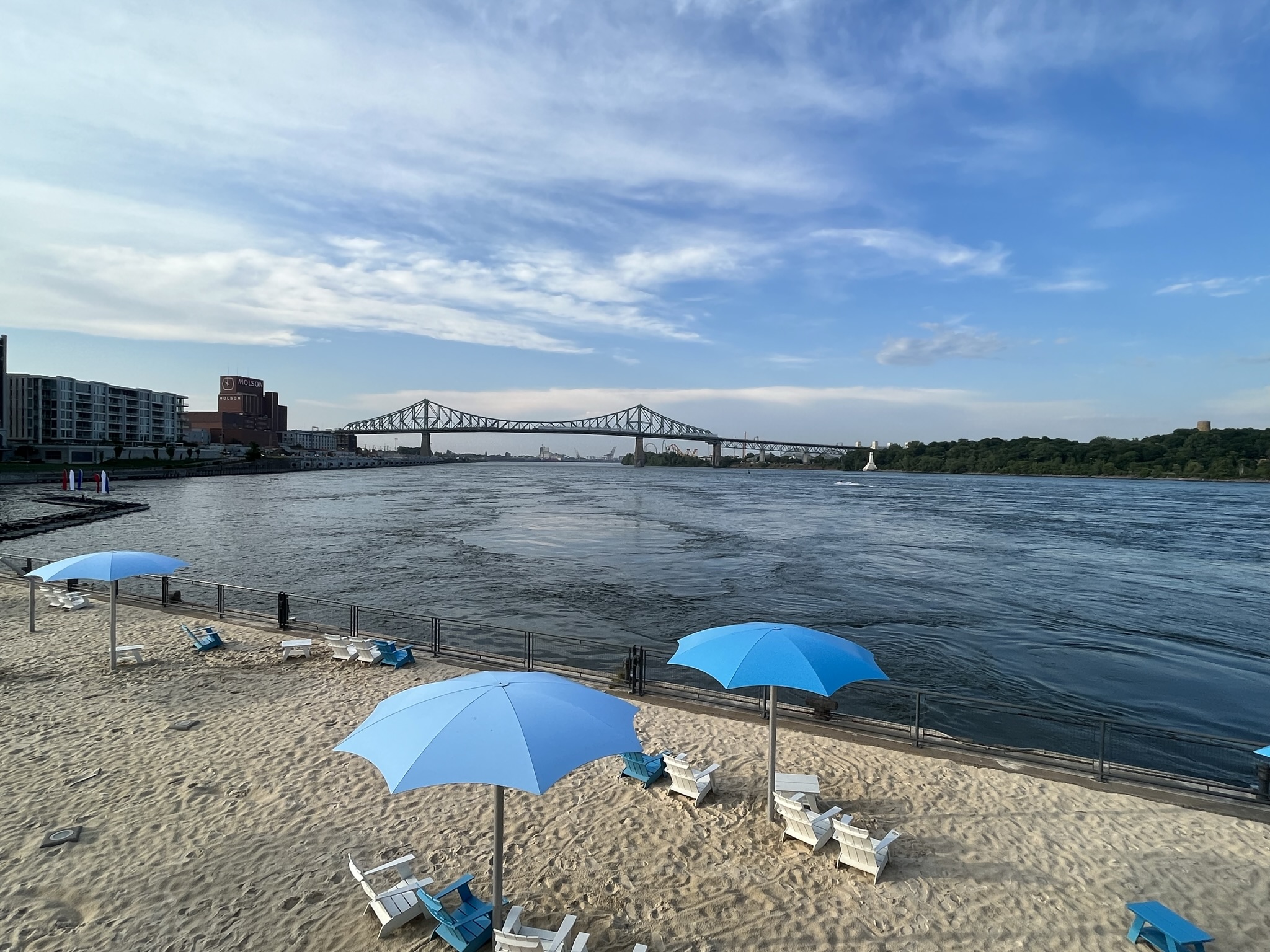
Iconic bridge of greater Montreal inaugurated in 1930 linking Montreal to Longueuil. It took 5 years to complete as the fifth longest steel truss cantilever bridge across the Saint Lawrence river. Originally was named as Montreal Harbor Bridge ( Pont du Havre) and was after renamed to honor a French explorer named Jacques Cartier in 1534.This bridge has a nick name of crooked/ curved bridge ( Pont Courbe) due to the zig zagging ways as it enters Montreal and in the middle of bridge The bridge has 4 finials that closely resemble the Eiffel Tower to pay homage to Parisian monuments.
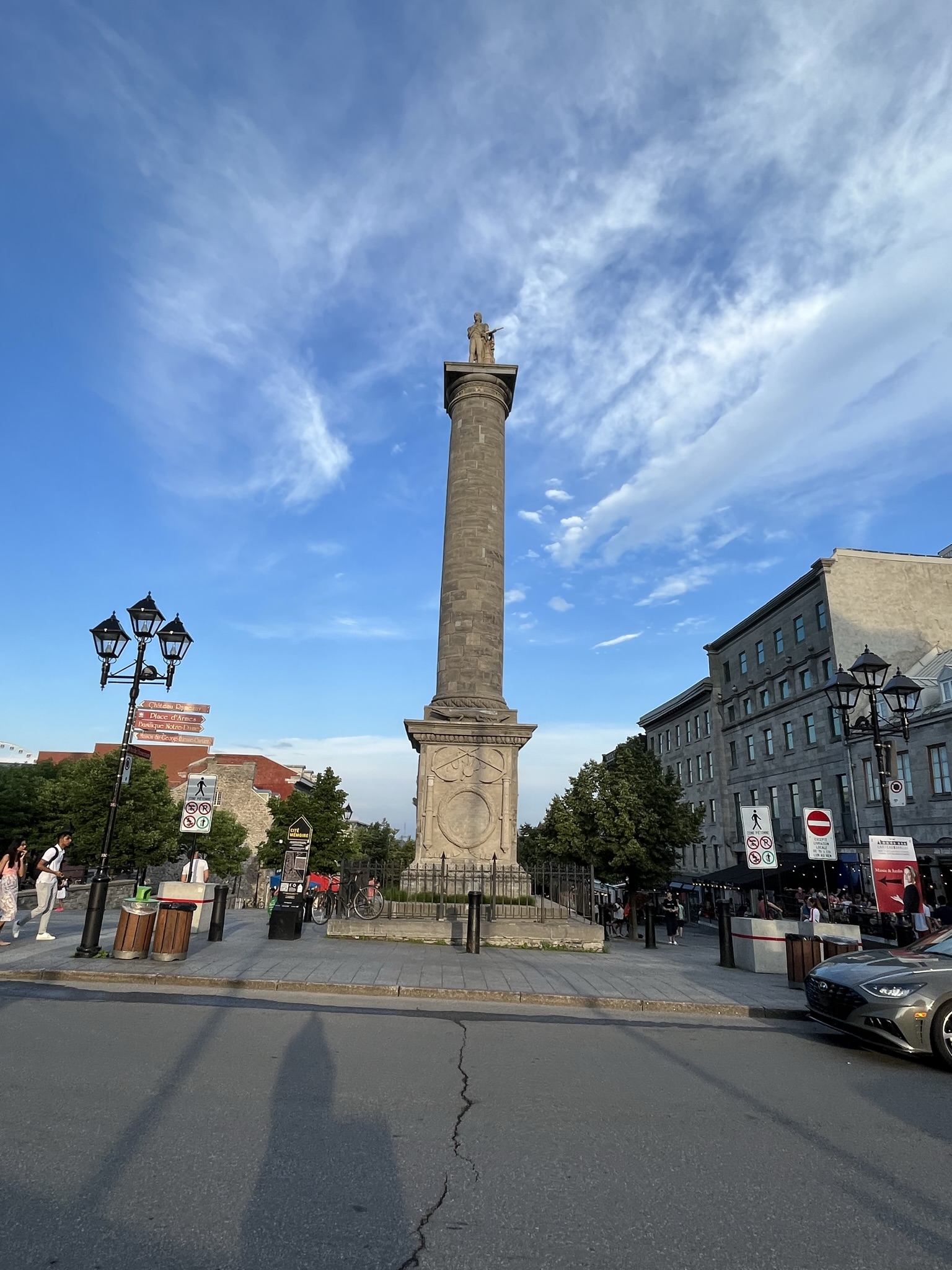
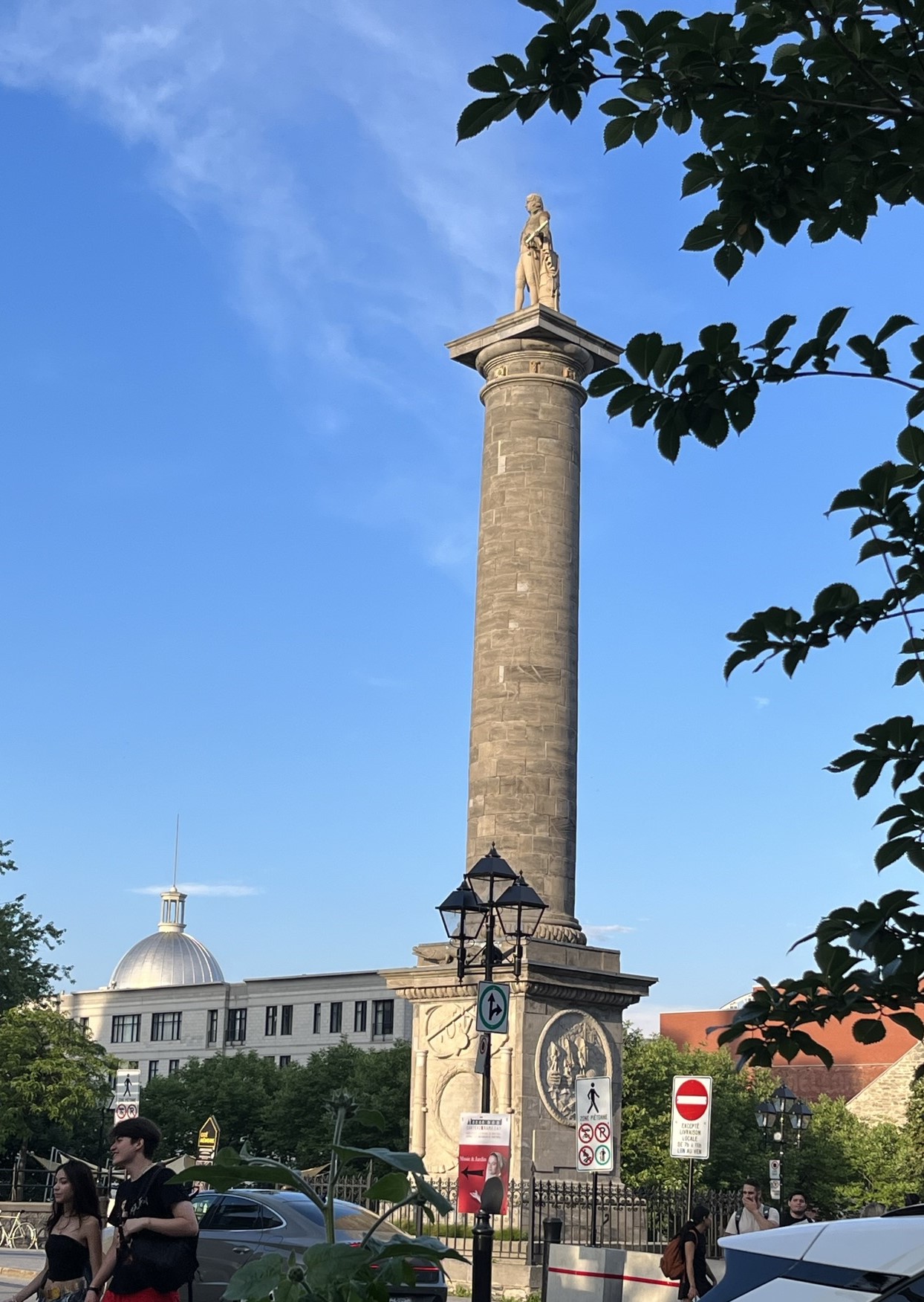
Nelson’s Column, Montreal
This monument was erected in 1809 in the place Jacques-Cartier ,Montreal by Scottish architect, Robert Mitchell. It is dedicated in memory of Admiral Horatio Nelson following his death in battle of Trafalgar. It is the second oldest ” Nelson’s columns’ in the world. It is also the city’s oldest war monument.
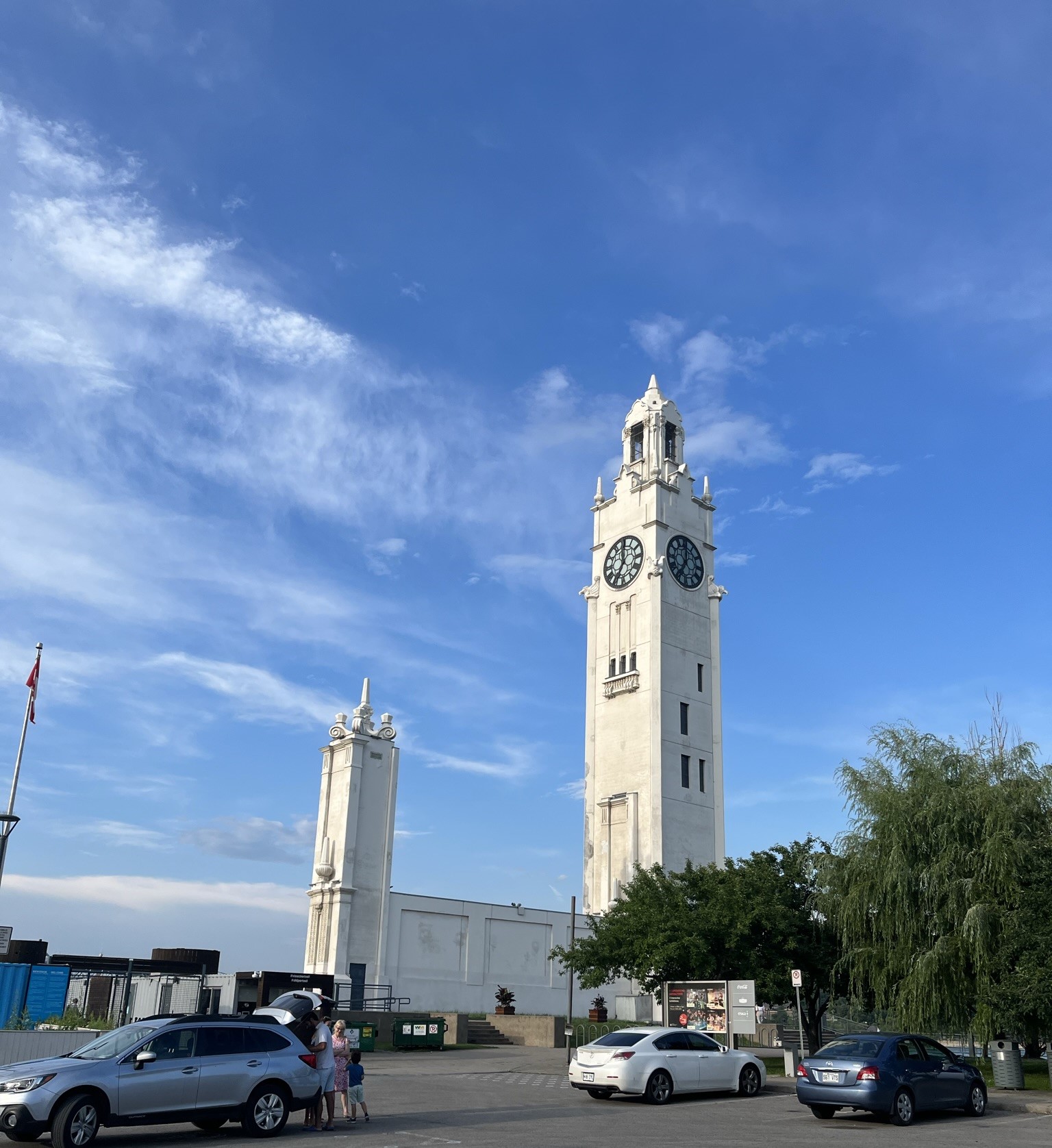
Montreal Clock tower ( Tour de l’Horloge de Montréal)
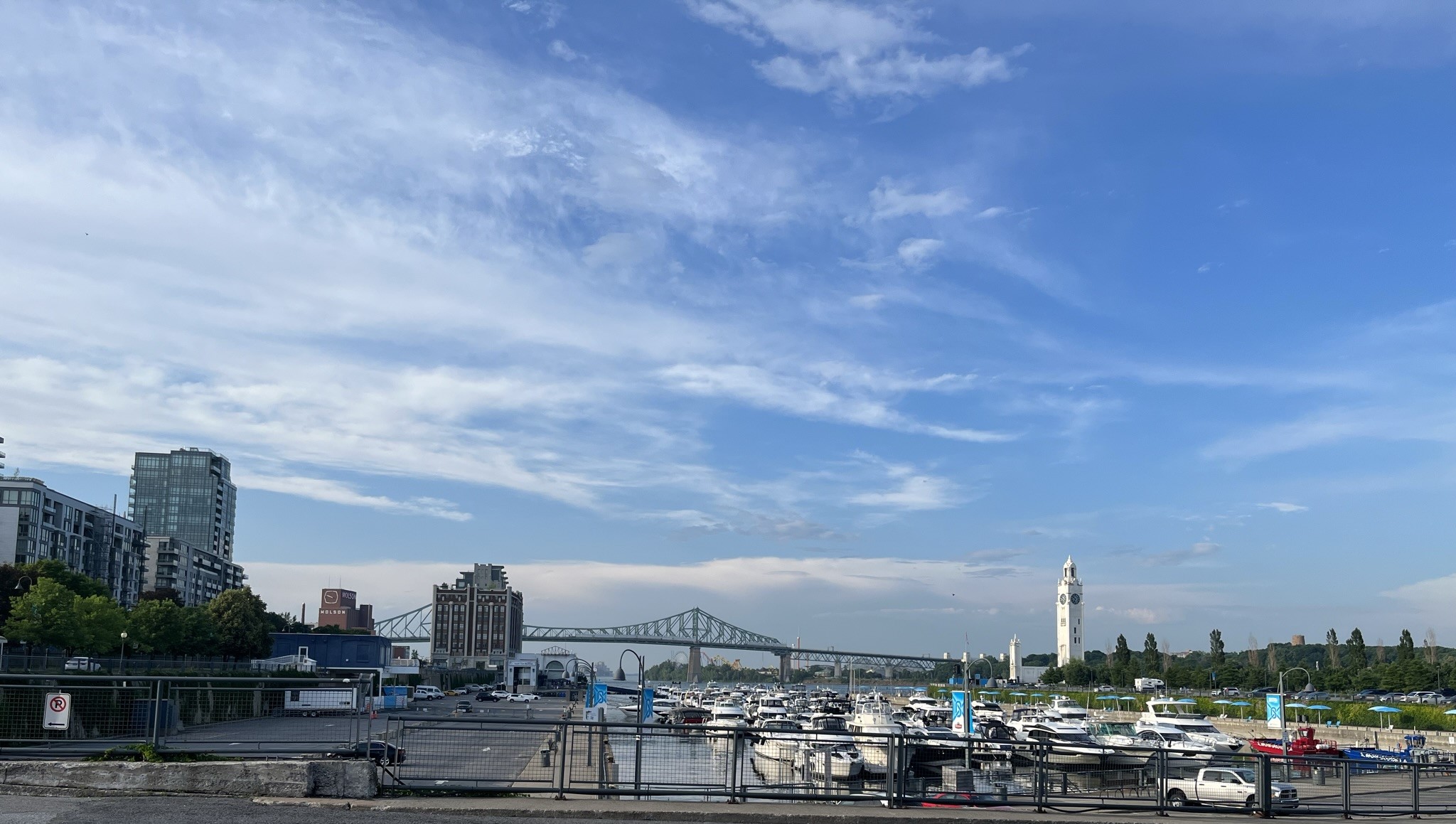
Great vantage point to view the city and river front area. Also known as Sailors Memorial clock. Located in the borough of Ville-Marie in the old port, Montreal. The construction of this tower took 10 years from 1919. There are 2 towers connected by white curtain wall. The principal tower is 45m while the smaller tower is 12 m high. There are 192 steps from bottom to top of the tower. It has 4 translucent clock faces and are designed by the English engineering firm. This marks the entrance to Old Port and is dedicated to honor the lives of the seamen who lost their lives in World War I.


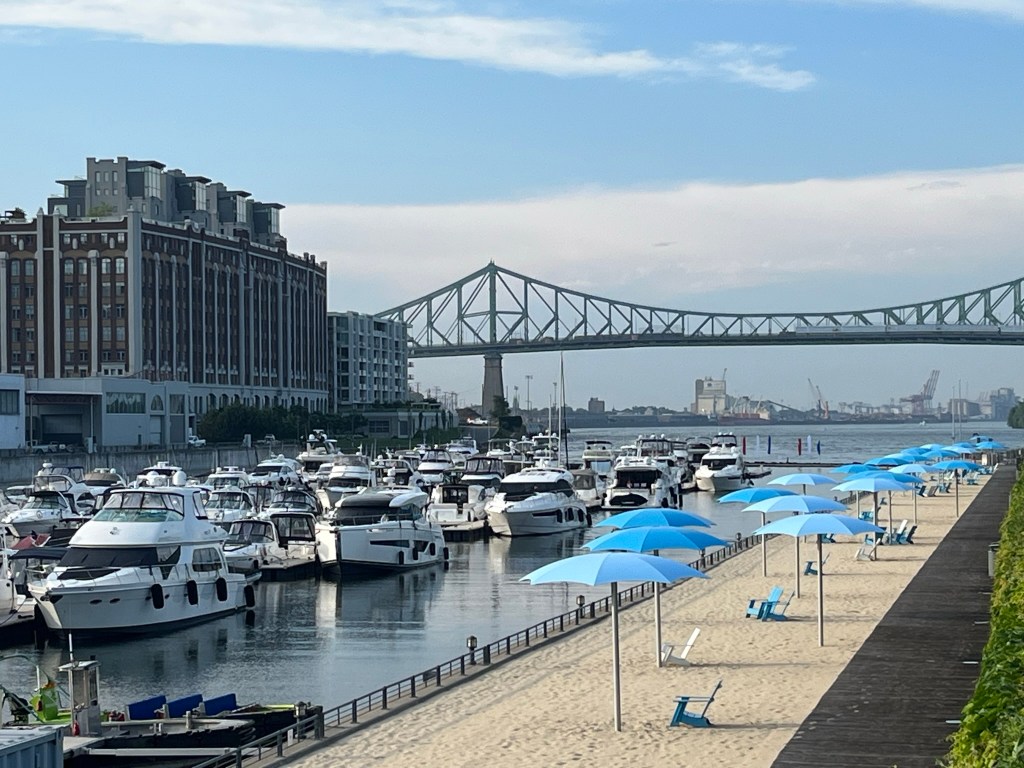
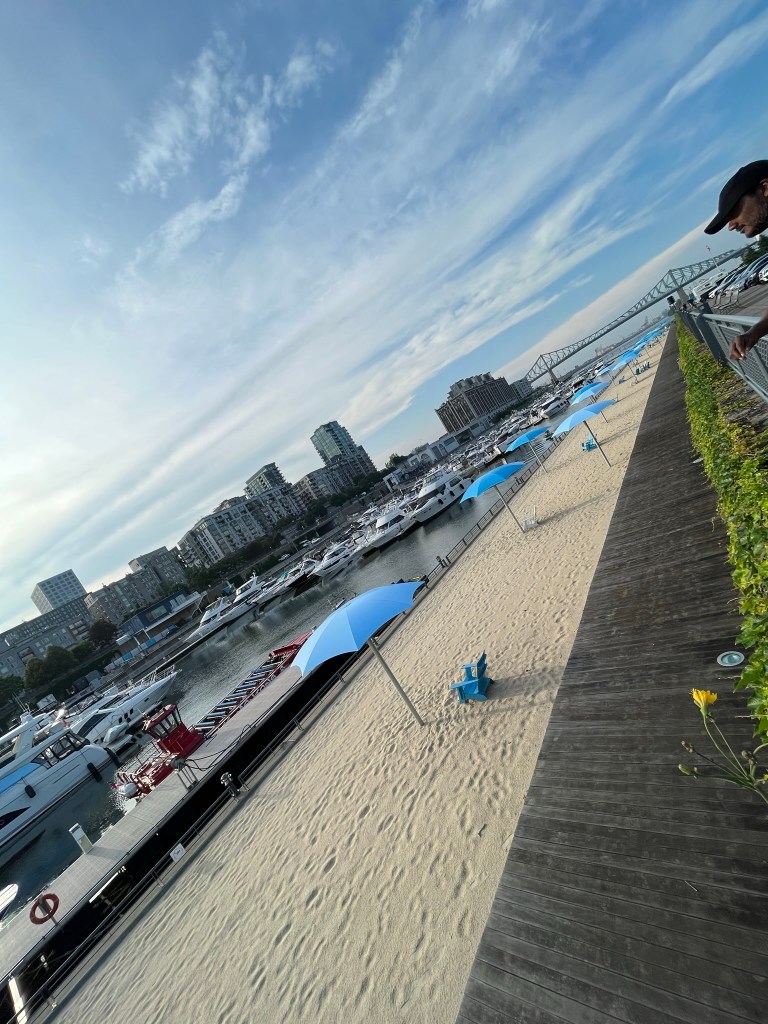
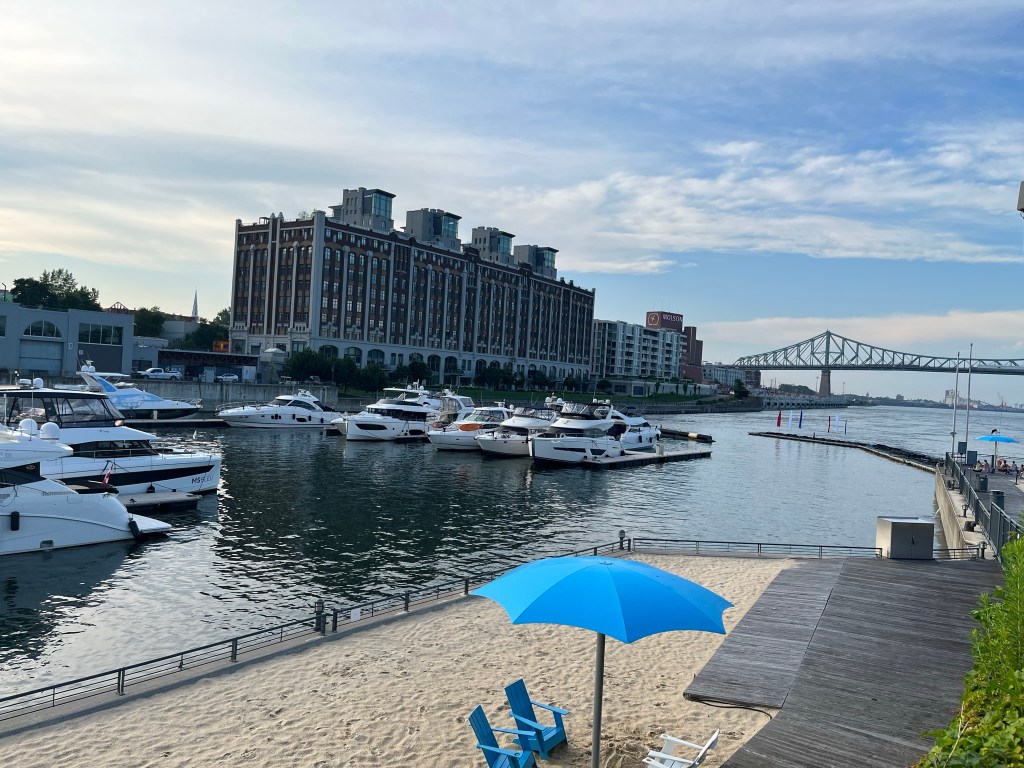
Clock Tower Beach (Plage de l’Horloge)
Is beautiful urban beach on St. Lawrence river in Montreal It is located just near the clock tower. It has been opened in 2012 and has beautiful views of the port. the river, the Jacques-Cartier bridge.
Lachine Canal National Historic Park
https://parks.canada.ca/lhn-nhs/qc/canallachine/activ/sentiers-trails/parcs-attraits-parks-attractions
The Great Fonte ( Sculpture)
http://robertroussil.com/Robert_Roussil/Modulaire.html
This is a monumental modular sculpture 15 m high made of cast iron in 1974. It was originally placed at place Victoria and commissioned in 1973 by Quebec ministry of transport as part is the ‘ one percent policy.’
Currently the sculpture is located at old port of Montreal at the tip of moulin-a-vent beyond parc de Ecluses. It is made of 4 cast iron modules to form the central axis.
 Live, Love, Laugh & Travel